A 100% soy candle is made entirely from soy wax. A "soy blend" candle, when no second wax is named, is almost always soy cut with paraffin.
As the Co-Founder of Scripted Fragrance, I've hand-poured hundreds of thousands of candles, and there's a little bit of insider knowledge I love sharing with people once they step into our world. The candle industry doesn't always make it easy to know exactly what you're bringing into your home, so I'd like to pull back the curtain and walk you through it, the way I would if you were standing next to me at the pouring table.
Here's the simplest way to think about it. A candle labeled "soy candle" should be 100% soy wax. A candle labeled "soy blend" or "soy wax blend," without any other wax named, is very likely blended with paraffin. If a brand is blending soy with another natural wax, like apricot or coconut, they'll usually say so proudly, because that's a lovely thing to highlight. When the label just says "blend" and stops there, that's usually your clue.

Why Some Brands Use Paraffin Instead
Paraffin isn't used because it's a bad ingredient on its own. It's used because it solves problems that 100% soy wax can't.
Cost. Paraffin is a petroleum byproduct, and it's significantly cheaper to produce than soy wax, which comes from U.S.-grown soybeans.
Shipping durability. Paraffin typically has a higher heat resistance than soy wax. Candles that travel long distances, especially overseas in shipping containers, need a wax that can survive temperature swings without melting, sweating, or cracking. A 100% soy candle often can't hold up to that journey. This is why you'll find paraffin in everything from the least expensive dollar store candles to many imported European and Australian fragrance houses.
Fragrance throw. Paraffin burns hotter and faster than soy wax, which pushes fragrance into the air more aggressively. That's the overwhelming wall of scent you notice walking into a big box store, and it's often what you're smelling in your own home from a paraffin candle. It's also why a "three-wick" candle from a big box store can advertise 30 hours of burn time despite its size: it's burning hot and fast to maximize scent throw, not burn time.
The Trade-Off Nobody Puts on the Label
Faster, hotter burning means faster fragrance loss and a shorter useful life relative to the size of the candle. It also means more soot. Paraffin is petroleum-based, so as it burns it releases small amounts of soot and airborne petroleum byproducts. Soy wax burns cooler and cleaner, with little to no soot when the wick is properly trimmed, which is part of why it's considered the better choice for indoor air quality.
Soy wax also has an environmental edge. It's made from a renewable, U.S.-grown crop and it's biodegradable. Paraffin is a non-renewable, petroleum-derived byproduct.

How to Actually Check What You're Buying
- Read the full ingredient or wax description, not just the front label. "Soy candle" or "100% soy wax" should be explicit.
- Be skeptical of "soy blend" with no second ingredient named. If it doesn't say what it's blended with, assume paraffin.
- Notice the burn time relative to size. A 100% soy candle typically burns slower and longer for its size than a paraffin candle of the same weight.
- Watch for soot on the jar. Heavy black residue on the inside of the glass after a few burns is a paraffin signal. That said, even a 100% soy candle can develop some soot if the wick isn't trimmed or if it's burned for long stretches at a time. See our candle care guide for wick trimming tips to keep any candle burning clean.
Why Scripted Fragrance Uses 100% Soy Wax
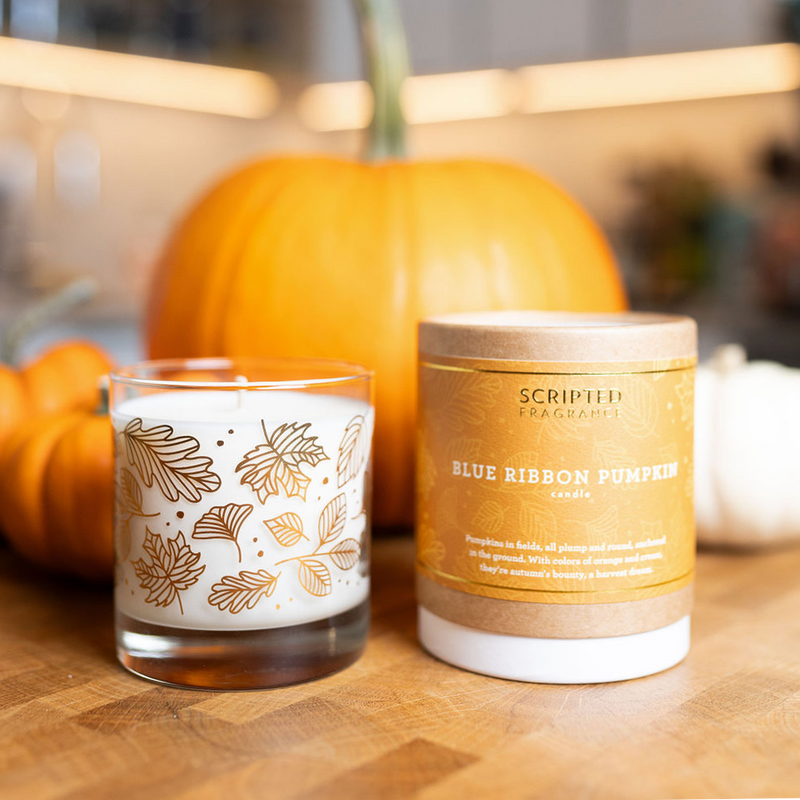
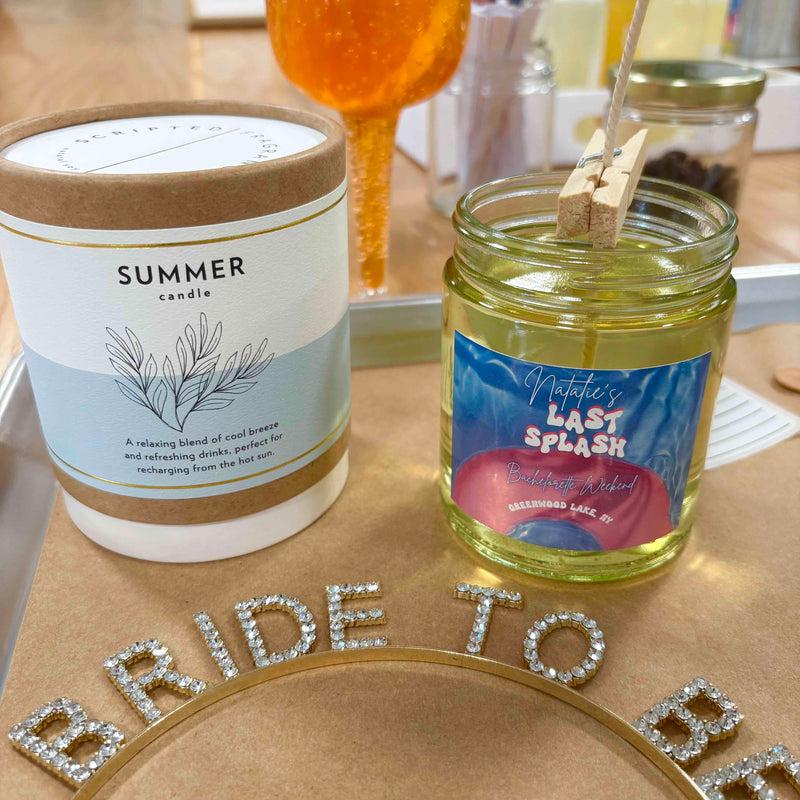
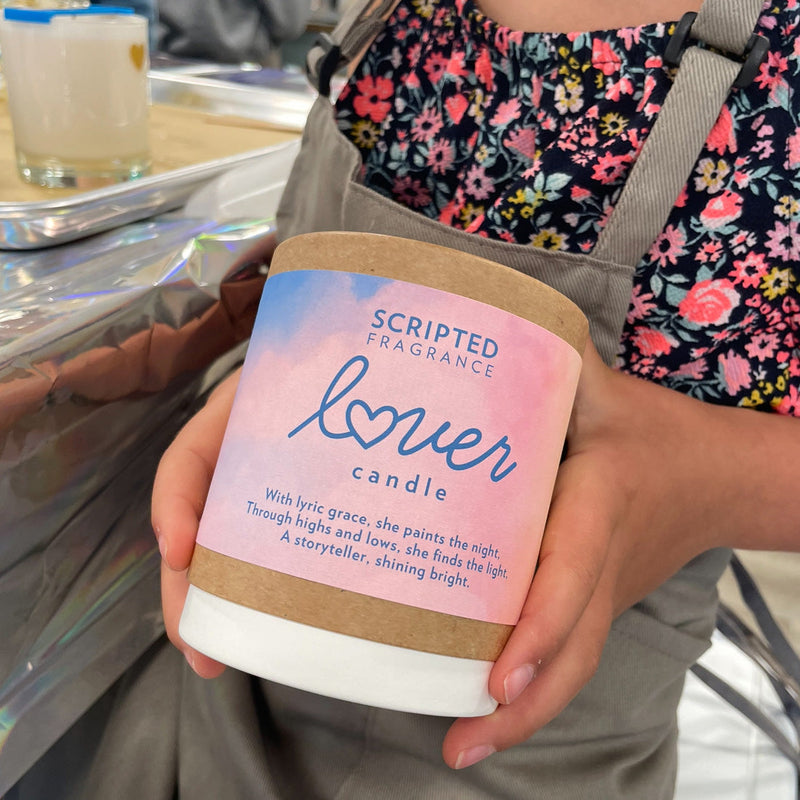
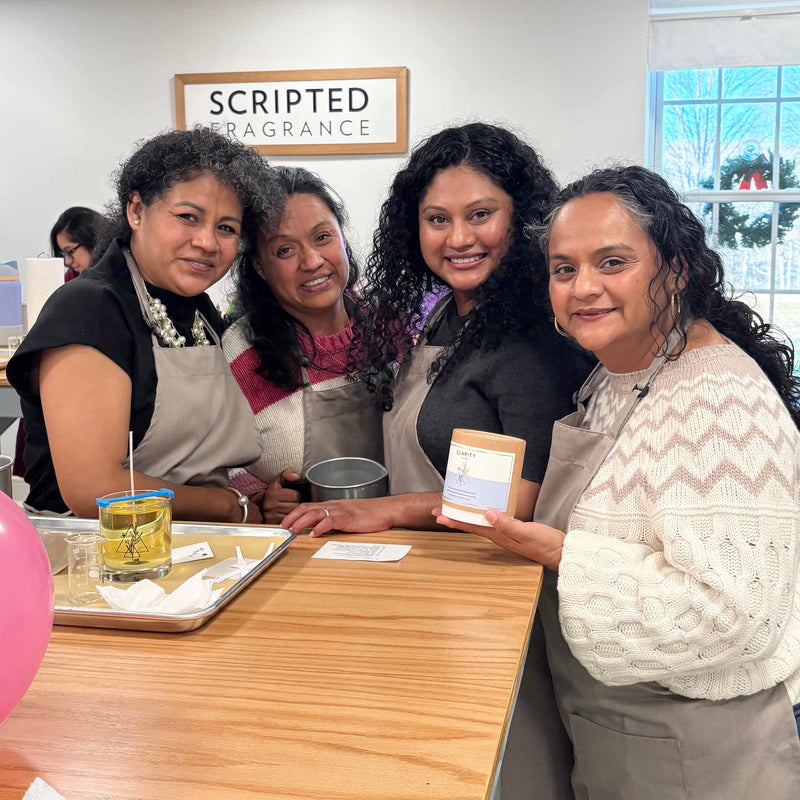
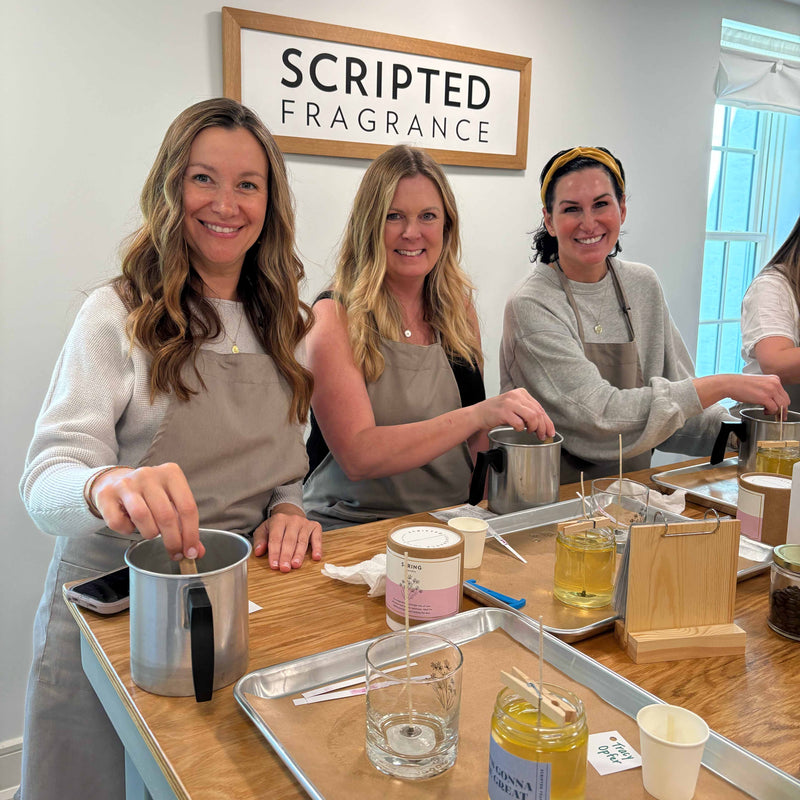
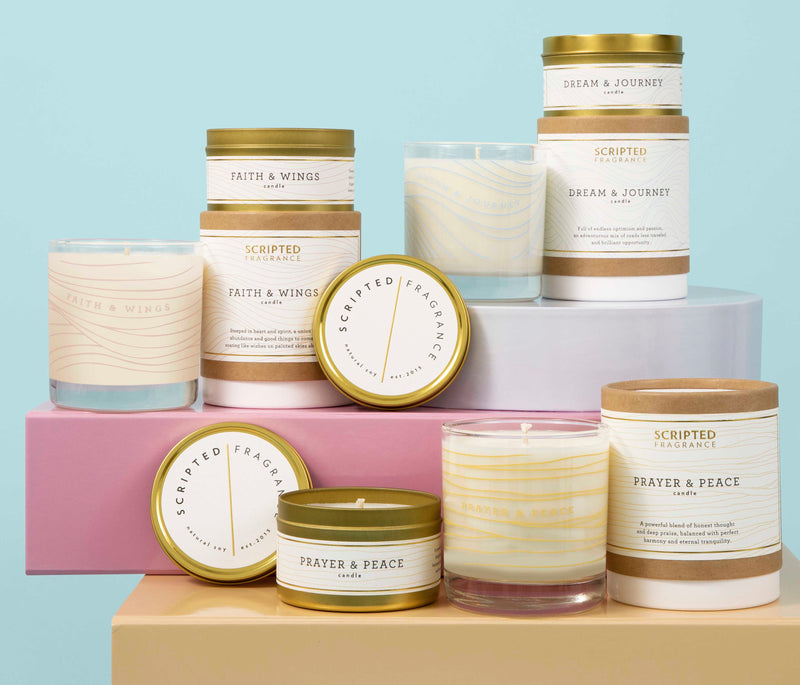
I've poured enough candles to know exactly what goes into ours, because my hands have been in the wax for every single one. Every Scripted Fragrance candle is 100% soy, made from U.S.-grown soybeans, with nothing else blended in. You can read more about how we make our candles and why we chose non-toxic soy wax from the start.
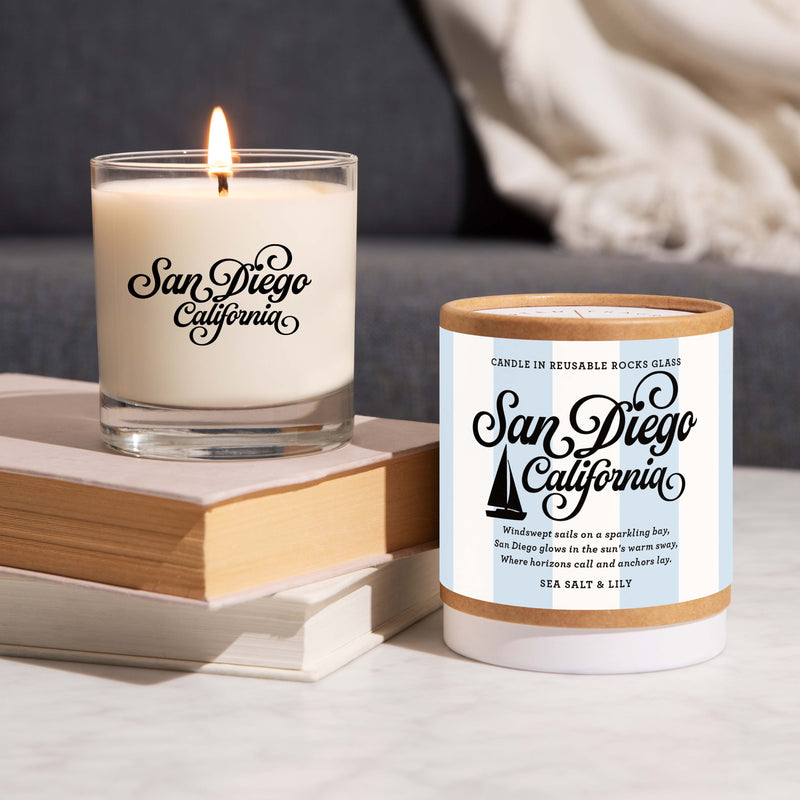
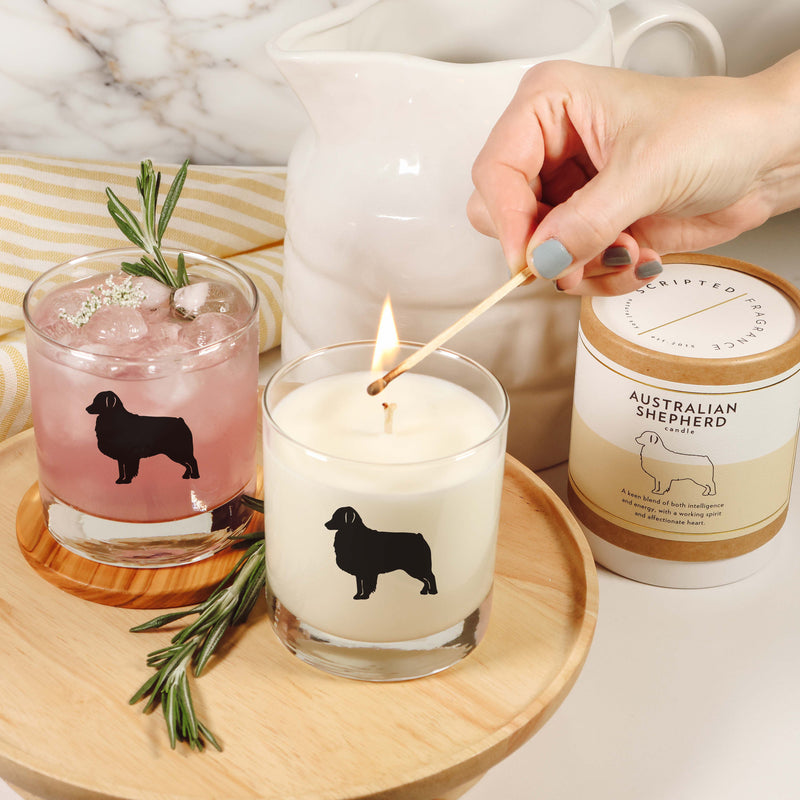
That choice comes with real trade-offs, and I don't mind telling you about them. It means our candles can't travel quite as far as some imported brands. It means our fragrance greets you gently rather than filling the whole room the moment you walk in. We chose that on purpose, because I want you to feel good about what's burning in your home, whether that's one of our pet candles, a state candle from somewhere you love, or any candle we hand-pour. I love that you now know exactly what to look for, wherever you decide to shop.

FAQ
Is a "soy blend" candle the same as a 100% soy candle?
No. "Soy blend" without a named second wax is typically soy blended with paraffin. A 100% soy candle will say so explicitly.
Is soy wax better than paraffin wax?
Soy wax burns cooler, cleaner, and with less soot than paraffin. Paraffin burns hotter and throws fragrance more strongly, but at the cost of a faster burn and more petroleum byproduct in the air.
Why do some candles have a much stronger scent than others?
Stronger scent throw usually comes from paraffin wax, which burns hotter and releases fragrance faster. Soy wax has a gentler, more gradual throw.
Why don't all candle brands use 100% soy wax?
Soy wax is more expensive to produce and less heat-resistant than paraffin, which makes it harder to ship long distances, especially internationally. Many brands choose paraffin for cost and shipping durability.
Does "soy wax" without the "100%" mean something different?
No. "Soy wax" and "100% soy wax" should refer to the same product. Some larger retailers simply avoid printing "100%" out of legal caution as there is a soy based emulsifier, but should be all soy wax.