"Non-toxic" isn't a regulated or certified term for candles. No government body defines it or signs off on it, so when a brand prints it on a label, it's a marketing claim, not a safety certification.
I want to be honest with you about this. It's part of running a small candle studio, and I know a lot of you are asking specifically whether a candle is safe to burn around your kids or your pets. Soy wax burning cooler and cleaner than paraffin is real and well-documented, and it matters. But it's not the whole story. Fragrance plays just as large a role, if not larger, in what actually affects your health, your kids', or your pet's.

Why Fragrance Is the Real Variable
Every scented candle, no matter the wax, is fragranced with something, whether that's a synthetic fragrance oil, an essential oil blend, or both. Fragrance is where most allergies and sensitivities actually come from. A scent that's perfectly fine for most people can still bother someone with asthma, a fragrance sensitivity, or a specific allergy. The same is true for pets. A dog or cat's nose is far more sensitive than ours, and some essential oils in particular can be genuinely harmful to certain animals. No wax type changes any of that. A "non-toxic" label on the jar tells you nothing about what's actually in the fragrance.
What We Actually Check Instead
Since "non-toxic" doesn't mean much on its own, here's what we rely on instead.
IFRA-tested fragrances at approved usage levels. IFRA, the International Fragrance Association, is the fragrance industry's standard-setting body. It sets maximum usage levels for individual fragrance ingredients based on how a product is used, and candles fall under their own specific category. Every fragrance we use is tested and kept within those approved limits. It's not a government certification, but it is a real, checkable industry standard, not just a word on a label.
Clean fragrances. We use what's considered "clean" fragrance in the industry, meaning fragrances developed to exclude carcinogens, reproductive toxins, and other chemicals flagged under current hazard classification standards, going beyond the baseline IFRA requirement rather than just meeting it.
Phthalate-free formulations. Phthalates are a specific class of chemicals sometimes used as fragrance carriers. Our fragrances are formulated without them.
One more thing worth mentioning: lead-free wicks. You'll see this listed as a selling point constantly, but it's not a differentiator, it's the law. The CPSC banned lead-cored wicks in every candle sold in the US back in 2003. That applies from dollar store candles to department store candles, ours included. There's so much misinformation floating around about candle safety that even brands doing everything right, us included, sometimes feel pressure to spell out things that are already standard, just to reassure people.
Fragrance Oil vs. Essential Oils
Here's another distinction worth knowing. "Fragrance," by definition, generally means a blend of aromatic compounds, which can include synthetic materials, natural isolates, and essential oils together, as opposed to a pure essential oil, which comes only from a plant.
We use fragrance oils infused with essential oils, and that's a deliberate choice. Pure essential oil candles are a lovely idea, but in practice they tend to struggle with something called throw, meaning how much scent actually fills a room. It's one of the most common complaints about essential-oil-only candles. Essential oils are also significantly more expensive to source at the volume needed for candle making, which drives the price of a pure essential oil candle up considerably. Blending fragrance oil with essential oils lets me give you a candle that actually smells like something when you burn it, holds up to our IFRA and clean fragrance standards, and stays at a price point that reflects real value rather than just a premium label.

Why It Matters to Shop From Reputable Brands
This is also why I always tell people to pay attention to who they're buying from, big or small. I've seen firsthand that a well-known national brand isn't automatically more careful about this than a smaller maker, sometimes it's the opposite. And a candle from a wonderful local maker, maybe even your neighbor down the street, might be poured with real love and care, but that doesn't always mean they have access to the same testing, fragrance sourcing, or standards as a brand that's invested specifically in that side of things. Size and price point don't tell you much on their own. What matters is whether a brand can actually tell you what standards their fragrance is held to, and whether they're willing to.
Why We Do It This Way
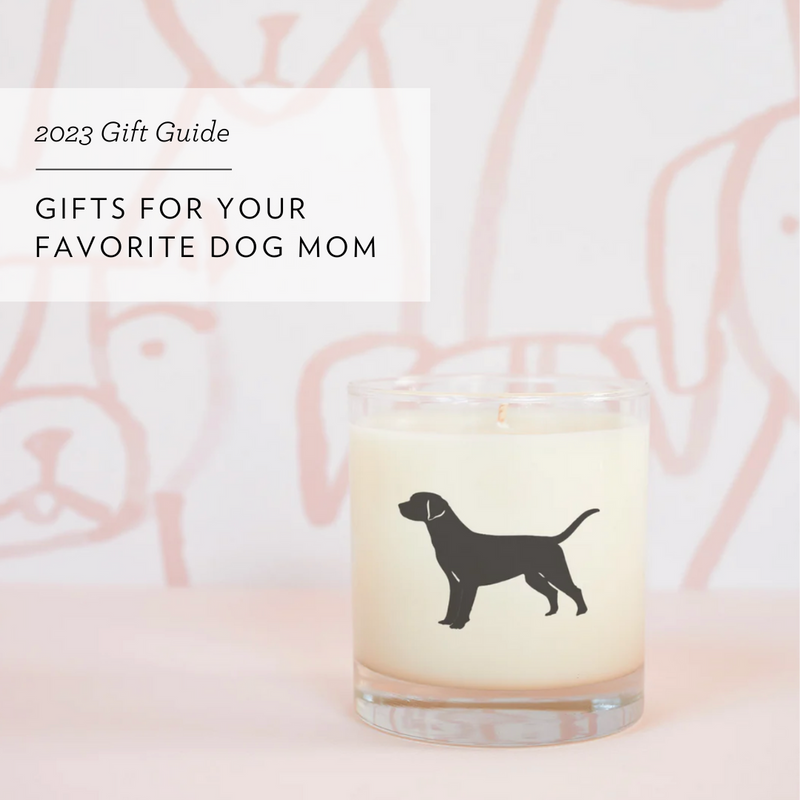
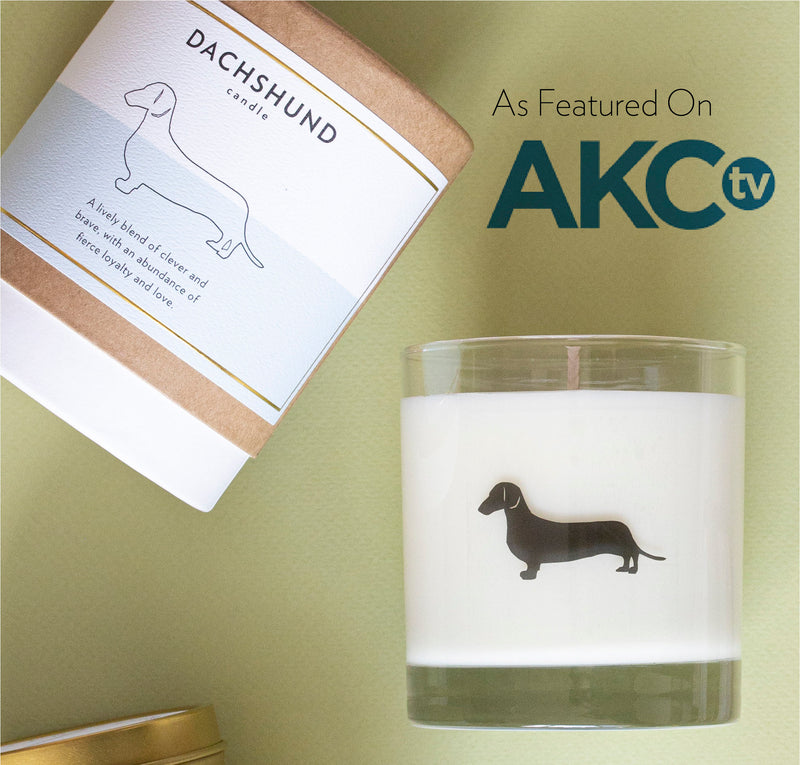
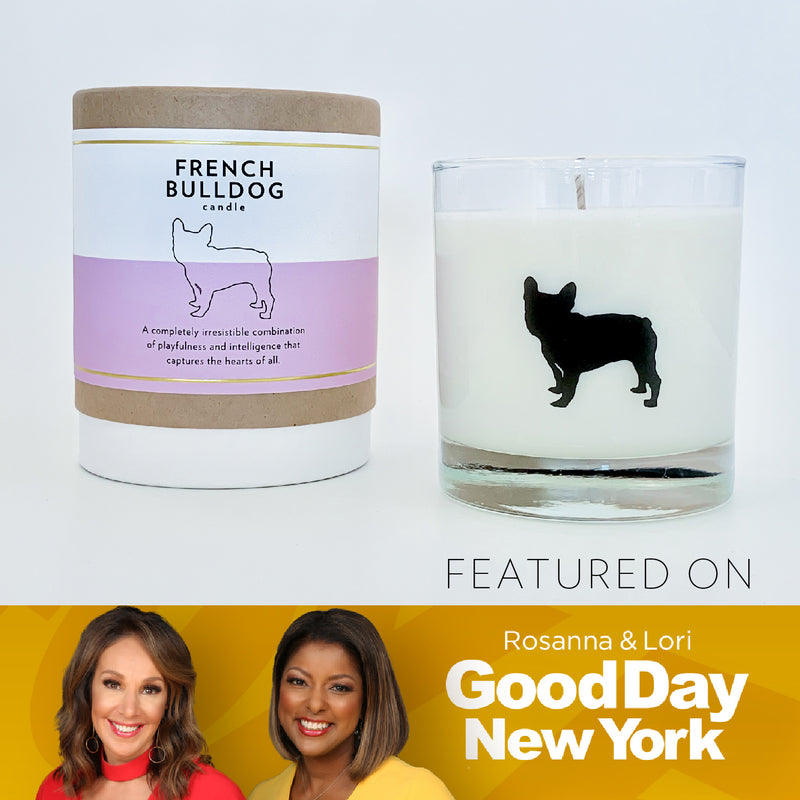
I'd rather tell you exactly what we check than let a word like "non-toxic" do the talking for us. Every Scripted Fragrance candle is 100% soy wax, scented with IFRA-tested, clean, phthalate-free fragrance, at a price point built for real value, not just a premium label. Whether you're picking out one of our dog or cat breed candles or something else entirely, I want you to feel confident in exactly what's inside, backed by real, checkable standards.

What About "Pet-Safe"?
Just like "non-toxic," "pet-safe" isn't a certified or regulated term for candles either. Any brand can put it on a label without any third-party testing behind it, it's a marketing phrase, not a safety claim.
And "pet" isn't one category. Dogs and cats have far more sensitive noses than we do, so fragrance strength and specific essential oils matter for them. Birds are a different situation entirely. Their respiratory systems work in one direction with no diaphragm, which makes them dramatically more sensitive to any airborne compound, not just fragrance, but soot and smoke from any candle, scented or not. Vets and avian specialists generally recommend that birds not be in the room at all when any candle is burning.
What This Doesn't Mean
None of this means a candle can never bother anyone. Individual sensitivities are individual, for people and for pets. What it does mean is that we're not relying on a vague label to do the work. If you or someone in your home has a known fragrance sensitivity or allergy, or you have a pet with a specific sensitivity, the safest approach is the same one you'd use with any scented product: start with good ventilation, watch for any reaction, and check with a doctor or veterinarian if you're ever unsure.
FAQ
Is "non-toxic" a regulated term for candles?
No. There's no government body or industry certification that defines or verifies "non-toxic" on a candle label. It's a marketing term, not a safety claim.
Is "pet-safe" a regulated term?
No. Like "non-toxic," there's no certification or governing body behind "pet-safe" candle claims for candles. It's a marketing term.
Are lead-free wicks a special feature?
No. Lead-cored candle wicks have been banned in every candle sold in the US since a 2003 CPSC ruling. Lead-free is the legal standard everywhere, not something specific brands offer.
Is soy wax safer than paraffin for allergies?
Soy wax burns cooler and cleaner than paraffin, but fragrance, not wax type, is the primary source of allergic reactions or sensitivities in candles.
What is IFRA and why does it matter?
IFRA, the International Fragrance Association, sets maximum usage levels for fragrance ingredients based on how a product will be used. Candles fall under their own specific category, and fragrance tested to those limits is held to a real, checkable industry standard.
What does "clean" mean for a fragrance oil?
Clean fragrances are formulated to exclude carcinogens, reproductive toxins, and other chemicals flagged under current hazard classification standards, a step beyond standard IFRA compliance.
Are candles safe to burn around pets?
Every pet is different, and some essential oils in particular can be harmful to certain animals. If you're unsure about a specific fragrance and your pet, it's best to check with your veterinarian.
Are candles safe around birds?
Not recommended. Birds have a fundamentally different respiratory system than mammals, making them far more sensitive to any airborne fragrance or smoke. The safest approach is keeping birds out of the room entirely when any candle is burning.
Amberlee is the co-founder of Scripted Fragrance, hand-pouring soy candles alongside her team out of their historic 1842 Manor House studio in Warwick, NY.